Affordable Rug Cleaning Croydon Thornton Heath and Crystal Palace
If your rug has started to look tired, carry a faint damp smell, or simply seems to have lost its colour, you are not alone. In busy homes across Croydon, Thornton Heath, and Crystal Palace, rugs take a proper beating: muddy shoes by the hallway, crumbs under the coffee table, pet hair in the corners, and the odd spill that seemed minor at the time. Affordable Rug Cleaning Croydon Thornton Heath and Crystal Palace is really about getting that everyday life out of the fibres without paying more than you should.
This guide explains how rug cleaning works, what affects cost, how to choose the right method for different fibres, and the small mistakes that often lead to damaged rugs or disappointing results. It also covers what a reliable local cleaning company should offer, so you can make a sensible decision rather than a rushed one. To be fair, that's half the battle.
For readers comparing broader cleaning help as well, it can be useful to look at deep cleaning options and the company's wider cleaning company services to see how rug care fits into the bigger picture.
Table of Contents
- Why Affordable Rug Cleaning Croydon Thornton Heath and Crystal Palace Matters
- How Affordable Rug Cleaning Croydon Thornton Heath and Crystal Palace Works
- Key Benefits and Practical Advantages
- Who This Is For and When It Makes Sense
- Step-by-Step Guidance
- Expert Tips for Better Results
- Common Mistakes to Avoid
- Tools, Resources and Recommendations
- Law, Compliance, Standards, or Best Practice
- Options, Methods, or Comparison Table
- Case Study or Real-World Example
- Practical Checklist
- Conclusion
- Frequently Asked Questions
Why Affordable Rug Cleaning Croydon Thornton Heath and Crystal Palace Matters
Rugs are often overlooked until they start looking obviously grimy. That is a shame, because they do a lot of work in the home. They soften footsteps, reduce echo, and add warmth to a room, but they also trap the sort of dirt you do not always notice day to day. Grit acts like sandpaper. Spills can settle into the pile. And if a rug is left too long without proper cleaning, the fibres can start to look flat and dull, even when the surface seems only lightly soiled.
In local homes, affordability matters for a simple reason: rug cleaning is often needed regularly, not just once in a blue moon. Hallway runners, living-room rugs, wool pieces, and synthetic mats all need different care. A service that is cheap but careless is no bargain if the rug shrinks, fades, or comes back with detergent residue. On the other hand, a well-priced service that uses the right method can extend the life of a rug by years. That is the sweet spot people are really after.
There is also a practical hygiene side. Rugs can hold on to pollen, pet odours, dust, and moisture from shoes or indoor spills. In winter, especially, you can feel the difference when a rug is genuinely clean. It just changes the room. Quietly, but noticeably.
Expert summary: Affordable rug cleaning should not mean rushed cleaning. The best value comes from matching the cleaning method to the rug fibre, the type of soil, and the space where the rug is used.
How Affordable Rug Cleaning Croydon Thornton Heath and Crystal Palace Works
Good rug cleaning starts with inspection. That sounds obvious, but it matters more than people think. A technician should identify the fibre type, backing, dye stability, pile height, and any problem areas such as food stains, pet accidents, or wear along the edges. A wool rug needs different handling from a synthetic blend, and a handwoven piece is a different animal entirely.
From there, the process usually follows a few clear stages. The exact method varies, but the logic is similar: remove loose debris, treat stains carefully, clean the fibres without over-wetting, and dry the rug properly so it does not end up musty. The drying part is often where the quality shows. If a rug is left damp for too long, it can smell wrong, feel stiff, or in some cases develop browning at the edges. Not ideal, obviously.
For some rugs, a low-moisture method may be best. For others, a deeper wash or controlled hot-water extraction can be more suitable. A trustworthy cleaner should explain why they are choosing a particular approach rather than just saying, "we always do it this way." That answer rarely inspires confidence, and fair enough.
If your rug sits alongside upholstery or soft furnishings, the overall treatment may be coordinated with upholstery cleaning or even sofa cleaning so the room feels consistent rather than half-cleaned. That is especially useful in open-plan spaces where everything sits together visually.
Typical cleaning stages
- Initial inspection and fibre identification
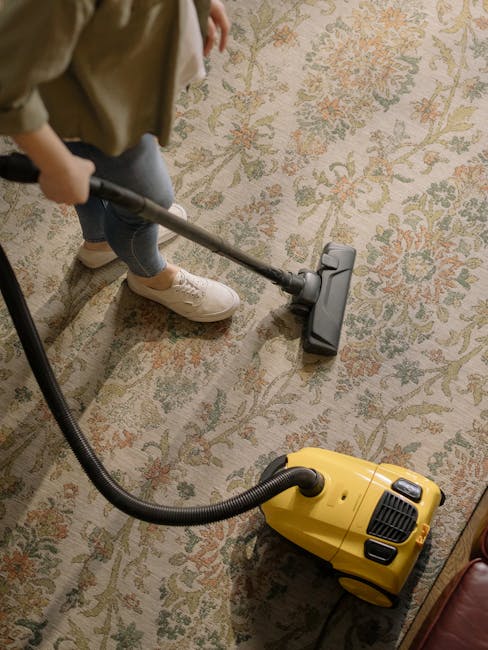
- Dry soil removal using careful vacuuming or brushing
- Spot treatment for stains and traffic lanes
- Main cleaning using the most suitable method
- Rinse or residue removal where needed
- Controlled drying and final grooming
- Post-clean check for remaining spots or fibre issues
Key Benefits and Practical Advantages
The most obvious benefit is appearance. A properly cleaned rug looks brighter, lifts the room, and gives the impression that the whole home has had a reset. But there are other benefits that matter just as much, if not more.
- Longer rug life: Removing grit and embedded soil reduces fibre wear.
- Better indoor freshness: Odours from pets, spills, and trapped moisture are reduced.
- Improved comfort: Clean fibres feel softer underfoot and look fuller.
- Protection of investment: Good rugs can be expensive, even modest-looking ones.
- Less visual clutter: A clean rug makes the room feel calmer and more pulled together.
There is a smaller but real benefit too: confidence. When a rug is clean, you do not find yourself apologising for it when someone visits. That may sound trivial, but it is one of those home details people notice themselves more than they admit.
Affordability also means flexibility. A sensible local service can be used for one-off refreshes, pre-party cleaning, seasonal maintenance, or a bigger tidy-up alongside other domestic tasks such as domestic cleaning or one-off cleaning. When jobs are grouped properly, the value usually improves.
Who This Is For and When It Makes Sense
Affordable rug cleaning is a good fit for a wide mix of households and property types. You may want it if you have children dropping food and muddy trainers near the rug every day. You may need it if you own a wool or oriental-style piece that needs more than a quick vacuum. Or perhaps you simply want the living room to feel less stale after a long winter. All valid reasons.
It also makes sense for tenants preparing for the end of a tenancy, homeowners getting ready to sell, or landlords trying to keep a property presentable between occupiers. In those situations, rug cleaning can be one of the simplest ways to improve a room without changing furniture or repainting walls. Small change, big visual payoff.
For business settings, rugs in reception areas, offices, or meeting rooms may need attention as part of broader upkeep. In that case, a combination of office cleaning and targeted rug care can keep the space looking more professional, without overdoing the spend.
When does it make the most sense? Usually when one of these is true:
- The rug has visible traffic lanes or dull patches
- There is a persistent smell after spills or pet accidents
- Vacuuming no longer improves the look
- You are preparing for guests, tenants, or an inspection
- The rug is valuable enough that DIY cleaning feels too risky
Step-by-Step Guidance
If you want the process to go smoothly, it helps to understand what a good cleaning visit should look like. Not every job is identical, but this is a solid practical framework.
1. Assess the rug properly
Start by checking the label if there is one, then look at the weave, backing, colour stability, and any wear. Fringe, tassels, and dyed borders often need a gentler touch. If you are not sure what the rug is made from, say so. Guessing is where trouble starts.
2. Decide what needs special treatment
Stains are not all equal. A tea spill behaves differently from pet urine, ink, or a greasy mark from food. The cleaner should spot-test any product before applying it widely. That is standard good practice, not a fancy extra.
3. Remove dry soil first
Loose dirt should be taken out before any wet cleaning begins. If you skip this part, the dirt turns into mud and sinks deeper. A rug can look clean on top and still be holding a surprising amount of grit beneath the surface.
4. Apply the right cleaning method
Depending on the rug, this may be a dry compound, low-moisture technique, hand cleaning, or extraction with controlled water use. The goal is always the same: clean the fibres without harming the structure or dyes.
5. Dry thoroughly
This is the part people underestimate. A rug should not be put back in place while damp unless the process specifically calls for it and the cleaner has explained the aftercare. Good drying prevents odour, stiffness, and re-soiling.
6. Re-check and groom the pile
Once dry, the pile can be brushed or groomed so it sits neatly. The end result should look refreshed rather than blasted. You want character, not flattening.
Expert Tips for Better Results
Over the years, a few habits consistently separate a decent result from a really good one. None of them are dramatic, but they make a difference.
- Vacuum before the cleaner arrives: It helps them focus on actual soil, not loose crumbs.
- Flag stains early: Fresh marks are much easier to treat than ones that have been rubbed in for weeks.
- Move fragile furniture first: Saves time and avoids awkward delays.
- Ask about drying time: This affects whether you can use the room the same day.
- Keep shoes off the rug after cleaning: A simple one, but it really does help.
One practical tip that often gets missed: place a rug pad underneath if the rug tends to slide or rub on the floor. It reduces wear, improves grip, and can make cleaning easier in the long run. A bit boring maybe, but useful. Very useful.
If you are comparing providers, also pay attention to how they handle wider cleaning standards. A company that publishes clear information on health and safety policy and insurance and safety tends to be more organised, which is usually a good sign when they are working in your home around furniture, water, and electrical items.
Common Mistakes to Avoid
There are a few recurring mistakes that cause more damage than people realise. Some are DIY mistakes, others happen when someone hires the wrong cleaner. Either way, they are worth avoiding.
- Using too much water: Over-wetting can leave the rug slow to dry and prone to odour.
- Scrubbing stains aggressively: This can spread the mark and rough up the fibres.
- Using the wrong product: Bleachy or strong alkaline cleaners can damage dyes and backing.
- Ignoring fibre type: Wool, silk blends, and synthetics all behave differently.
- Putting the rug back too soon: Damp pile under furniture is asking for trouble.
- Choosing solely on price: The cheapest quote can become the most expensive mistake.
Let's face it, a rug is not a hard floor. It cannot just be mopped and forgotten. If you treat it like a surface rather than a textile, you tend to get a mediocre result. Sometimes worse than that.
Tools, Resources and Recommendations
You do not need a van full of equipment to maintain rugs well, but the right tools matter. For everyday care, a quality vacuum with adjustable suction is the biggest win. A gentle brush can help with pile direction, while white cotton cloths are useful for blotting spills without transferring dye. Avoid coloured towels for spot treatment unless you enjoy gambling with pigment transfer.
A decent cleaner may also use specialist rinse solutions, fibre-safe stain treatments, and drying equipment designed to speed evaporation without overheating the rug. If a rug has a delicate weave or historical value, hand cleaning may be recommended instead of heavy machinery. That is not old-fashioned; it is simply the sensible choice.
For home owners planning a larger refresh, rug cleaning can be paired with carpet cleaning if the floor coverings need a similar level of attention. For people moving out, combining the job with end of tenancy cleaning may save time and help the property present well as a whole.
Useful everyday recommendations:
- Vacuum rugs weekly, more often in high-traffic homes
- Rotate rugs occasionally so wear is more even
- Blot spills immediately, do not rub
- Keep rugs out of prolonged direct sunlight where fading is an issue
- Book professional cleaning before heavy soiling becomes permanent
Law, Compliance, Standards, or Best Practice
Rug cleaning is not heavily regulated in the way some trades are, but good practice still matters. In a UK home or commercial setting, a cleaner should work carefully with water, electricity, chemicals, and fragile textiles. That means sensible risk management, clear communication, and an awareness of how to protect flooring and furnishings during the job.
Where chemicals are used, products should be appropriate for the fabric and applied according to the manufacturer's instructions where relevant. That sounds basic, yet it is often what separates a safe process from a sloppy one. Staff should also know how to minimise slips, avoid over-wetting, and reduce the risk of colour transfer. For customers, asking about training and insurance is perfectly reasonable. Actually, it is smart.
Best practice usually includes:
- Spot testing before full treatment
- Matching the method to the rug fibre
- Using protective measures around floors and furniture
- Explaining drying expectations clearly
- Handling complaints or concerns through a transparent process
If a company is serious about service standards, it will usually make its policies easy to find, including details on terms and conditions, payment and security, and how it manages issues through a complaints procedure. That kind of clarity builds trust.
Options, Methods, or Comparison Table
Different rug cleaning methods suit different situations. There is no single best option for every rug, which is why a proper assessment matters so much.
| Method | Best for | Advantages | Things to watch |
|---|---|---|---|
| Vacuum and spot care | Light maintenance and fresh spills | Quick, affordable, low risk | Not enough for deep soil |
| Low-moisture cleaning | Delicate or faster-drying needs | Shorter drying time, less saturation | May be less effective on heavy staining |
| Hot-water extraction | Synthetic rugs and deeper soil | Good soil removal, strong refresh | Needs careful drying and fibre suitability |
| Hand cleaning | Fine, antique, or sensitive rugs | Most controlled, gentle approach | Slower and often more labour-intensive |
In practice, the right method depends on age, fibre, construction, and how dirty the rug really is. A cheaper service that only offers one route for everything can be tempting, but flexibility is usually the sign of real competence.
Case Study or Real-World Example
Picture a family in Crystal Palace with a medium-pile living room rug under a low coffee table. Over time it has picked up biscuit crumbs, a little pet hair, a tea stain near the edge, and that slightly stale smell rugs sometimes get in cooler months. Nothing dramatic. Just everyday life doing its thing.
The first step was inspection. The rug was synthetic, so it could take a more robust clean than a delicate wool piece. Dry soil was removed, the tea mark was treated separately, and the main clean focused on lifting embedded dirt from the centre where foot traffic had worn the pile flatter. Drying was managed carefully so the room could be used again later the same day.
The result was not magical, and that is the honest bit. The rug did not become brand new. But the colour looked more even, the pile stood up better, and the smell was gone. The room felt lighter. The family noticed it straight away, which usually tells you the job was worthwhile.
That is the real goal with affordable rug cleaning. Not miracle language. Just a visible, sensible improvement that makes the room more pleasant and helps the rug last longer.
Practical Checklist
Use this before you book a service or clean the rug yourself:
- Check the rug type, fibre, and any care label
- Look for loose threads, fraying, or damaged backing
- Identify the main problem: dirt, stain, smell, or flattening
- Vacuum thoroughly before wet cleaning
- Ask how the cleaner will dry the rug
- Confirm whether stain treatment is included
- Move fragile furniture and breakables out of the way
- Clarify expected drying time before the job begins
- Keep a note of any special concerns, especially with pets or children around
- Review the company's service information, including about us and pricing and quotes, so you know what to expect
Conclusion
Affordable Rug Cleaning Croydon Thornton Heath and Crystal Palace is not just about finding the lowest price. It is about getting the right level of care for the rug you actually own, in the home or workplace you actually use every day. A good clean can brighten a room, reduce odours, protect the fibres, and make a space feel properly looked after again. That is a real win.
The best results usually come from a simple combination: the right method, careful drying, honest expectations, and a cleaner who explains what they are doing instead of hiding behind vague promises. If you want value, look for clarity, safety, and a process that suits the rug rather than forcing the rug to suit the process.
Get a free quote today and see how much you can save.
Sometimes the most satisfying home jobs are the quiet ones. A clean rug under your feet, the room breathing a little easier, and one less thing to worry about. Nice, really.
Frequently Asked Questions
How often should a rug be professionally cleaned?
For many homes, every 12 to 18 months is a sensible guide, but heavy use, pets, or children may mean sooner. High-traffic rugs often need more regular care than decorative pieces.
Is rug cleaning safe for wool rugs?
Yes, if the cleaner uses a wool-safe method and avoids harsh products or over-wetting. Wool is durable in its own way, but it does need the right approach.
Can rug cleaning remove old stains?
Sometimes, but not always completely. Older stains may have set into the fibres or backing, which makes them harder to remove. A proper assessment is the best way to judge likely results.
What makes rug cleaning affordable without being low quality?
Affordable service usually comes from efficient methods, honest pricing, and the right treatment for the rug. The cheapest option is not always the affordable one if the rug needs re-cleaning or repair afterwards.
How long does a rug take to dry?
Drying time depends on fibre type, cleaning method, room ventilation, and weather. Some rugs can be ready the same day, while others need longer. It is worth asking before the job starts.
Can I clean a rug myself with shop-bought products?
Yes, for light spot treatment, but test the product first and avoid saturating the rug. DIY methods are fine for small marks, but they are not always suitable for delicate or valuable rugs.
Do rug cleaners move furniture?
Some do, some do not. It is best to ask in advance. Light furniture may be moved, but larger or fragile items are often left for the homeowner to handle.
What is the difference between rug cleaning and carpet cleaning?
Rugs are usually portable and often made from more varied fibres and constructions than fitted carpets. That means rug cleaning often needs a more tailored, careful process than standard carpet cleaning.
Will cleaning make my rug feel softer?
It often will, especially if the rug had built-up soil or residue dulling the pile. The exact feel depends on the rug's material, but a proper clean usually improves texture.
Is there any benefit to booking rug cleaning with other services?
Yes. If your home also needs other work, combining services such as house cleaning or cleaners can sometimes make scheduling easier and improve overall value.
What should I ask before booking a rug cleaner?
Ask about fibre knowledge, stain treatment, drying time, insurance, and the exact cleaning method they plan to use. Clear answers are a good sign. Vague ones, not so much.
What if my rug has a smell but looks clean?
That often means odour is trapped deeper in the fibres or backing. A surface-only clean may not fix it, so a more thorough treatment may be needed.
For more general information about home and specialist cleaning options, you can also explore rug cleaning and related services when planning a larger refresh around the home.